Wicketkeeper or Slip Fielder: Two Jobs Behind the Batter
Wicketkeeper or slip fielder: learn how their positions, catching methods and responsibilities differ, so you can follow chances behind the batter with confidence.
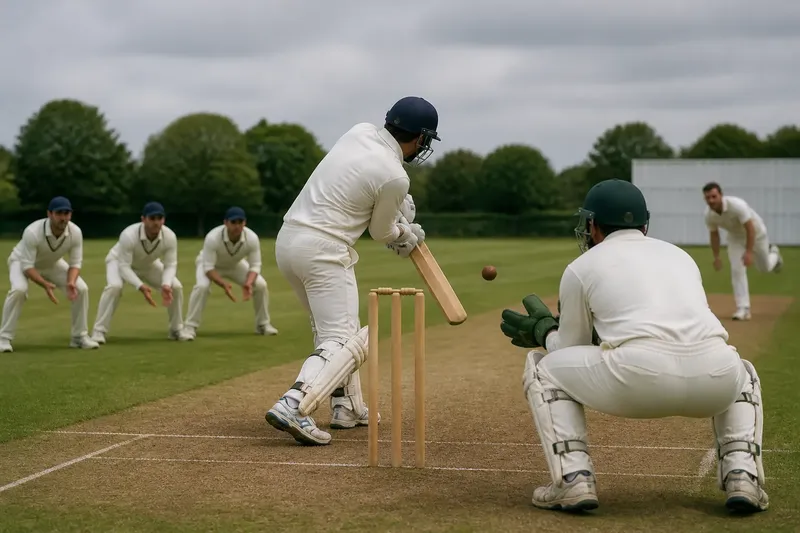
Wicketkeeper or slip fielder: if you are watching a ball pass the batter and are unsure which player should take it, start with their position. The wicketkeeper stands behind the stumps, directly in line with them; a slip fielder waits to the batter’s off side, at an angle chosen to intercept an edge. Both catch chances, but their jobs are not interchangeable.
That distinction can be harder to see when a delivery moves quickly, the keeper shifts across, or several close fielders appear in a row. A useful way to read the scene is to ask what each player is responsible for before the ball is bowled, then notice how the delivery changes the chance they are trying to take.
Why do the wicketkeeper and slip look like they are doing the same job?
From the stands or a television camera, both players may crouch close behind the batter with their hands ready. They are also responding to the same event: a ball that passes the bat without being hit cleanly. The visual similarity can hide the difference between guarding the stumps and covering an edge’s likely path.
The keeper’s central position gives them responsibility for the ball that continues through behind the batter, including one that misses the bat. A slip fielder is positioned to the side because a faint edge can travel away from the stumps at an angle. Their starting places describe two different routes the ball might take.
Try tracking the stumps rather than the players’ crouches. The player directly behind them is the keeper; a close catcher set off to the batter’s side is in the slip cordon.
What causes the wicketkeeper’s role to be mistaken for a catcher’s?
The wicketkeeper does take catches, but catching is only part of the role. The keeper receives deliveries that the batter does not hit, gathers balls that bounce or deviate, and can attempt a stumping if the batter leaves the crease. The gloves are a visible clue to this broader responsibility, not simply equipment for catching edges.
A keeper may move sideways to collect a ball that swings, seams or turns away from the central line. That movement does not make the keeper a slip fielder: the keeper is still trying to take the ball behind the stumps and keep it under control. A slip fielder instead starts off-centre to meet a possible edge before it travels past the catching area.
If the keeper stands farther back, the distance can make the role seem less connected to the action. That position gives more time to react when the delivery reaches the batter at greater pace or bounce. Close to the stumps, the keeper may be able to gather a slower or lower delivery more readily and threaten a stumping.
When you lose sight of the keeper’s purpose, check whether the batter has left the crease and whether the ball has reached the stumps. Those details often explain why the keeper is positioned where they are.
Why is a slip fielder placed at an angle?
A slip fielder is there for edges that travel behind the batter, usually towards the off side. The fielder’s position is angled to cover a likely path, not directly behind the stumps like the keeper. Depending on the field, there may be one slip or several, each placed to cover a different part of the space.
The bowler’s line, the batter’s stance and the expected movement of the ball all influence where slips stand. A delivery close to the bat may produce a fine edge; a ball farther away may be more likely to take a thicker edge and travel wider. The captain and bowler choose a field that reflects the chance they want to create, while the slip fielder adjusts their readiness to the delivery.
Imagine a right-handed batter facing a ball outside off stump. If the ball brushes the outside edge, it may fly towards the close catcher on the off side; the keeper remains behind the stumps, ready for the ball that continues straight or passes the edge. If the delivery instead goes past the bat without touching it, the keeper’s gathering job becomes the important one.
Look at the gap between the batter and the nearest close catcher. That space helps you see the slip’s angled route, even when the catch itself happens too quickly to follow.
What goes wrong when watching a chance behind the bat?
The keeper seems to be standing in the wrong place. This often happens because the delivery’s pace or bounce changes where the keeper needs to receive it. Check whether the keeper has moved back or forward before deciding that the position is unusual; the keeper may be balancing reaction time against the need to reach the stumps.
A slip fielder appears to miss a ball that went behind the batter. Not every ball passing behind the batter is within a slip’s catching line. It may have gone straight through to the keeper, travelled too wide, or bounced before reaching the fielder. Follow the ball’s direction and height rather than assuming that any ball behind the bat was a slip chance.
Several close fielders are difficult to distinguish. Count their positions from the stumps outwards. The keeper is central; the slips form a line to the side, and other close catchers may be positioned in front of the batter. This simple map is more useful than trying to identify each player by name.
A fielder moves after the ball is bowled. The keeper and slips may shift in response to the batter’s movement, the line of the ball or a change in the field. Notice where each player settles just before the next delivery, then use that as your reference point.
How do you tell which role matters in a particular delivery?
Begin with the ball’s route, then ask whether it touched the bat. A clean miss or a ball that drops behind the batter is primarily the keeper’s responsibility. A thin edge that travels diagonally towards the close catchers gives the slips their opportunity.
Next, consider what happens after the ball reaches the keeper. If the batter is outside the crease, the keeper may try to break the stumps and complete a stumping. If the ball has been edged and caught by a slip, the keeper is not the fielder who took the catch, even though the keeper was also positioned to receive a ball behind the stumps.
These roles are complementary: the keeper covers the central channel, while the slips cover selected angles. A captain may use more or fewer slips according to the bowling plan and match situation; a sparse cordon does not change the keeper’s duties.
For a quick read, locate the stumps, find the player directly behind them, then trace the line of any close catchers to the side.
What do viewers often ask about wicketkeepers and slips?
Is the wicketkeeper always directly behind the stumps?
The keeper is positioned behind the stumps but may stand closer or farther away, and can move sideways as the ball’s line changes. The keeper’s central responsibility remains distinct from the angled position of a slip fielder.
Can a slip fielder catch a ball the keeper could reach?
There can be overlap, especially when an edge travels close to the keeper. The slip fielder is positioned to take chances on the side, while the keeper covers the area behind the stumps and may move to meet the ball.
Why might there be no slips?
The captain may prefer fielders elsewhere, or the bowler may be trying to prevent runs rather than invite an edge. The keeper still receives the ball behind the stumps, but there is no slip cordon waiting at the usual catching angle.
Does a catch behind the batter always mean the slips were involved?
No. A keeper can take a catch behind the stumps, and a slip can catch an edge farther to the side. The location of the catcher and the ball’s path tell you which role produced the dismissal.
How can you remember the difference while watching?
Use a simple visual distinction: the keeper guards the channel behind the stumps; the slip fielder guards an angled catching lane beside it. Their crouches may look alike, but their starting positions show what each is prepared to do.
On your next viewing, watch where the ball passes rather than trying to follow every player at once. If it travels straight behind the batter, look to the keeper; if it flies towards the off-side cordon, look to the slips. That small habit makes the work of both fielders easier to read, even when the ball is too quick to follow closely.